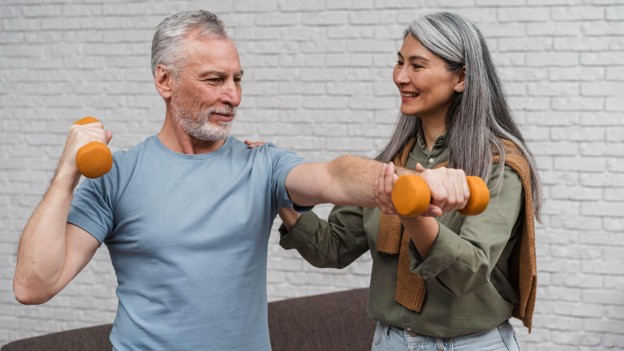
Maintaining independence becomes a priority as people age, especially when physical changes begin to affect everyday activities. Fitness professionals such as John Telesca, owner and trainer of RMA Fitness, LLC, work in an area of wellness that emphasizes strength, mobility, and balance as essential components of healthy aging.
While aging naturally brings changes in muscle strength, coordination, and flexibility, these developments do not mean that older adults must abandon physical activity. Appropriately structured exercise can help individuals maintain functional abilities, support confidence, and participate more comfortably in daily routines. Understanding how strength and balance training contribute to independence can encourage a more practical approach to lifelong wellness.
Understanding the Relationship Between Aging and Physical Independence
Physical independence involves performing everyday activities without unnecessary assistance. Walking, climbing stairs, carrying groceries, getting out of a chair, and maintaining stability while moving all depend on muscular strength, joint mobility, and coordination. When these abilities decline, previously simple activities may become more demanding.
Age-related changes vary considerably between individuals. Activity levels, existing health conditions, nutrition, and previous injuries can influence physical capabilities. Although some changes are unavoidable, regular exercise can help preserve important functions. A balanced fitness routine addresses the movements older adults rely on most frequently rather than focusing exclusively on appearance or athletic performance.
Why Muscle Strength Matters for Everyday Activities
Muscular strength supports many activities that older adults perform throughout the day. Lower-body muscles contribute to standing, walking, and climbing stairs, while upper-body strength assists with carrying objects, opening doors, and completing household responsibilities. Maintaining these capabilities can make routine activities more manageable.
Resistance training provides a structured way to challenge muscles and encourage continued development. Exercises may involve resistance bands, light weights, exercise machines, or carefully selected bodyweight movements. The appropriate method depends on an individual’s experience, mobility, and health considerations. Gradual progression allows participants to develop strength without introducing unnecessary physical demands.
How Balance Training Supports Fall Prevention
Balance is essential for maintaining stability during both stationary and moving activities. Older adults may experience changes in coordination, reaction time, vision, or sensory awareness that influence their ability to remain steady. These changes can increase the importance of targeted balance exercises.
Appropriate balance training can help improve postural control and movement confidence, although no exercise program can eliminate fall risk entirely. Activities may include supported standing exercises, controlled weight shifts, and carefully supervised stepping movements. Training should match individual abilities, with stable surfaces or professional assistance available when necessary. Consistent practice can contribute to better stability during everyday movement.
The Importance of Mobility in Healthy Aging
Mobility refers to the ability to move joints and the body through functional ranges of motion. Adequate mobility supports activities such as reaching overhead, bending to retrieve objects, turning while walking, and getting into or out of vehicles. Reduced mobility may make these movements uncomfortable or difficult.
Mobility training can include gentle stretching, controlled joint movements, and exercises that combine flexibility with muscular control. The objective is not necessarily to achieve extreme flexibility but to preserve movement capabilities that support everyday life. Older adults should avoid forcing painful movements and may benefit from professional guidance when stiffness, previous injuries, or medical conditions affect their exercise options.
Why Functional Fitness Deserves Greater Attention
Traditional fitness programs sometimes emphasize isolated exercises or performance measurements that do not directly reflect everyday needs. Functional fitness takes a different approach by prioritizing movements associated with daily activities. This perspective can be especially relevant for older adults seeking to remain active and independent.
A functional training program may incorporate:
- Sit-to-stand exercises that support rising from chairs.
- Controlled stepping movements that reinforce walking stability.
- Light resistance exercises that assist with carrying everyday objects.
- Supported balance activities that develop postural awareness.
- Mobility exercises that maintain comfortable joint movement.
These activities can be modified according to individual capabilities. Their value lies in strengthening movement patterns that remain useful beyond the exercise environment.
How Lower-Body Strength Influences Independence
Lower-body strength plays a particularly important role in maintaining mobility. Muscles surrounding the hips, knees, and ankles contribute to walking, standing, climbing stairs, and recovering stability after minor changes in position. Weakness in these areas can make daily movement more physically demanding.
Exercises such as supported squats, seated leg extensions, and controlled heel raises may help develop relevant muscle groups. However, exercise selection should reflect balance ability, joint comfort, and medical considerations. Some individuals may initially require seated or supported movements before progressing to standing activities. Building lower-body strength gradually can support greater confidence during routine tasks.
The Connection Between Physical Confidence and Movement
Physical limitations can influence more than muscular performance. Older adults who feel unsteady may begin avoiding certain activities because they are concerned about falling or experiencing discomfort. Over time, reduced participation can contribute to further declines in physical conditioning.
Appropriately supervised exercise may help individuals become more comfortable with movement by introducing manageable challenges. Practicing familiar activities in a controlled environment can reinforce coordination and provide opportunities to recognize improvement. However, confidence should develop alongside actual physical capability. Encouraging activities beyond an individual’s readiness can introduce unnecessary risk, making gradual progression especially important.
Why Personalized Exercise Programs Are More Effective
Older adults represent a diverse population with different physical abilities, experiences, and wellness objectives. Some individuals regularly participate in recreational sports, while others are beginning structured exercise after extended periods of inactivity. A uniform training program may not adequately address these differences.
Personalized exercise planning considers factors such as current strength, mobility limitations, balance concerns, and previous injuries. It also accounts for individual goals, whether those involve walking comfortably, completing household tasks, or maintaining recreational activities. Qualified fitness professionals can adjust exercise selection and intensity as participants develop. Individuals with significant medical concerns should seek appropriate healthcare guidance before beginning unfamiliar activities.
Building Consistency Without Excessive Exercise Intensity
Consistency is often more valuable than occasional demanding workouts when developing sustainable fitness habits. Older adults may benefit from manageable exercise sessions that can be repeated regularly without causing excessive fatigue. Establishing realistic schedules encourages participation while allowing sufficient time for recovery.
Training intensity should reflect individual readiness rather than assumptions about what people of a particular age should accomplish. Some participants may require shorter sessions or additional rest periods, while others can tolerate more demanding activities. Gradual adjustments help maintain progress without overwhelming participants. A sustainable routine should support everyday functioning rather than leave individuals consistently exhausted.
The Role of Professional Supervision in Senior Fitness
Professional supervision can be particularly valuable when exercise involves balance challenges, unfamiliar equipment, or movement limitations. A knowledgeable trainer can demonstrate appropriate techniques, observe movement patterns, and modify activities when necessary. These adjustments help create a more supportive training environment.
Supervision also provides opportunities to establish realistic expectations and monitor progress. Trainers should recognize the boundaries of their professional responsibilities and refer participants to healthcare providers when symptoms or medical concerns require evaluation. Effective senior fitness instruction combines encouragement with careful attention to safety, individual comfort, and appropriate exercise progression.
Measuring Progress Beyond Traditional Fitness Goals
Progress in senior fitness should not be evaluated exclusively through weight changes, exercise intensity, or the amount of resistance used during training. Improvements in functional movement may provide more meaningful indicators of success for individuals focused on independence.
Useful measures may include:
- Greater ease when standing from a seated position.
- Improved stability during controlled movements.
- Increased comfort while walking or climbing stairs.
- Better coordination during routine activities.
- Greater confidence in completing everyday responsibilities.
Progress should be evaluated over time, recognizing that improvement may occur gradually. Maintaining an existing level of function can also represent a meaningful outcome, particularly when individuals face ongoing physical challenges.
Supporting Long-Term Wellness Through Sustainable Movement
Strength, mobility, and balance training are interconnected elements of physical wellness. Stronger muscles help support movement, adequate mobility allows joints to function comfortably, and balance contributes to stability during daily activities. Addressing these areas together can provide a more comprehensive approach to healthy aging.
Long-term participation depends on selecting activities that remain practical, enjoyable, and appropriate for changing physical needs. Exercise routines may require adjustments as individuals experience different health conditions or lifestyle circumstances. Rather than treating fitness as a temporary objective, older adults can view movement as an ongoing investment in maintaining functional abilities.
Final Thoughts
Maintaining independence during aging requires attention to the physical capabilities that support everyday living. Strength training can help preserve muscular function, balance exercises can contribute to stability, and mobility work can support comfortable movement. Together, these activities provide a foundation for remaining engaged in daily responsibilities and recreational interests.
The most effective approach emphasizes individualized instruction, realistic progression, and consistent participation. By prioritizing functional movement over unnecessary intensity, older adults can develop sustainable exercise habits that support confidence, physical capability, and long-term independence.