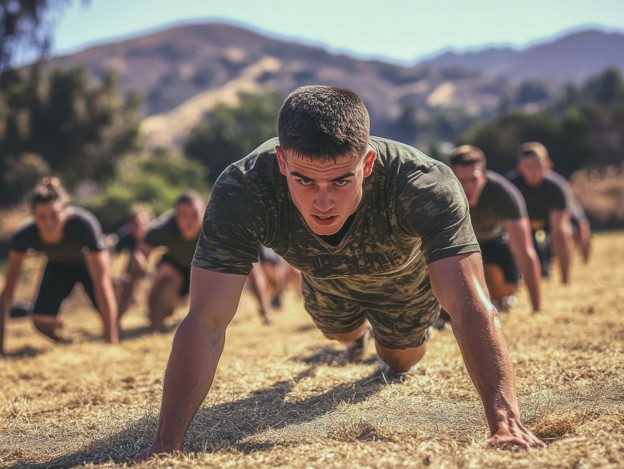
Building lifelong resilience requires more than occasional motivation or short-term physical achievements; for individuals like John Telesca of Port Chester, whose background includes military service, law enforcement, endurance challenges, and competitive boxing, the link between physical fitness and personal discipline offers a meaningful perspective on long-term development.
Military training emphasizes consistency, accountability, preparation, and the ability to perform under challenging circumstances. These principles can remain valuable beyond active service, particularly when applied to physical wellness and personal growth. By combining structured exercise with realistic goals, individuals can develop habits that support resilience throughout different stages of life.
Understanding the Connection Between Discipline and Resilience
Resilience involves the ability to adapt to challenges, recover from setbacks, and maintain progress despite changing circumstances. Although physical strength contributes to resilience, emotional regulation, patience, and consistent decision-making are equally important. Military environments frequently emphasize these qualities through structured routines, demanding responsibilities, and teamwork.
Discipline provides a framework for developing resilience because it encourages individuals to follow established commitments even when motivation fluctuates. Regular exercise, adequate recovery, and consistent preparation can gradually strengthen confidence. Rather than depending on occasional bursts of enthusiasm, disciplined individuals focus on sustainable habits that support long-term progress.
How Military Training Develops Consistent Habits
Military training often introduces individuals to structured schedules, physical conditioning requirements, and clearly defined performance expectations. These experiences demonstrate how repeated actions contribute to larger objectives. Physical readiness is developed through ongoing preparation rather than isolated training sessions.
The same principle applies to civilian fitness routines. Establishing regular workout schedules, monitoring progress, and maintaining appropriate recovery periods can improve consistency. Individuals who treat exercise as a recurring responsibility may find it easier to sustain their routines during demanding periods. However, effective discipline also involves recognizing when adjustments are necessary to prevent exhaustion or injury.
Why Physical Fitness Supports Mental Resilience
Physical activity contributes to overall well-being by supporting cardiovascular health, muscular strength, mobility, and stress management. Regular movement can also provide opportunities to develop confidence through measurable improvements. Completing a challenging workout or gradually increasing physical capability reinforces the relationship between preparation and achievement.
Mental resilience develops through multiple influences, including social support, emotional coping skills, and personal experiences. Exercise can complement these factors by introducing manageable challenges within a structured environment. Individuals learn to evaluate their limitations, respond to setbacks, and recognize gradual progress. These experiences may encourage a more constructive approach to difficulties outside physical training.
The Importance of Setting Realistic Fitness Goals
Long-term fitness requires objectives that are challenging enough to encourage improvement but realistic enough to remain achievable. Excessively ambitious expectations can create frustration, particularly when progress occurs more slowly than anticipated. Structured goal-setting helps individuals identify appropriate milestones and evaluate their development over time.
Effective fitness goals often include:
- Establishing a consistent weekly exercise schedule.
- Improving strength through gradual resistance training.
- Developing cardiovascular endurance at an appropriate pace.
- Maintaining mobility and flexibility.
- Allowing sufficient time for recovery and adaptation.
These objectives can be adjusted according to age, experience, and physical condition. A realistic approach encourages steady development without placing unnecessary pressure on immediate results.
Learning From Endurance-Based Physical Challenges
Endurance activities demonstrate how preparation, pacing, and persistence contribute to demanding physical achievements. Obstacle-course events, distance running, and other sustained challenges require participants to manage fatigue while maintaining concentration. Success often depends on preparation completed long before the event itself.
Training for endurance challenges also reinforces the importance of adapting to unexpected conditions. Participants may encounter difficult terrain, changing weather, or unfamiliar obstacles. These experiences illustrate how flexibility and problem-solving complement physical conditioning. However, demanding events require appropriate preparation, and individuals should select challenges that match their abilities rather than pursuing intensity without sufficient readiness.
How Boxing Encourages Focus and Physical Coordination
Boxing training combines cardiovascular conditioning, coordinated movement, concentration, and controlled physical technique. Even outside competitive settings, appropriately supervised boxing exercises can challenge individuals to maintain balance, respond to instructions, and coordinate upper- and lower-body movements.
Footwork drills, controlled combinations, and conditioning exercises require attention to timing and positioning. These activities demonstrate how technical improvement depends on repetition and patience. For adults participating in boxing-based fitness, training should reflect individual experience, physical condition, and safety requirements. Non-contact drills may provide a suitable alternative for individuals who want movement-based exercise without participating in competitive sparring.
Why Fitness Routines Must Evolve With Age
Physical capabilities and recovery needs can change throughout adulthood. Training methods that were appropriate during early adulthood may require modification later in life. Maintaining lifelong fitness therefore involves adapting exercise intensity, frequency, and movement selection rather than following an unchanged routine indefinitely.
Strength training, cardiovascular exercise, balance activities, and mobility work can contribute to healthy aging when performed appropriately. Individuals may also need to account for previous injuries, medical conditions, or changes in flexibility. Consulting qualified professionals when necessary can help establish suitable exercise expectations. Adaptability allows fitness to remain a sustainable practice rather than becoming limited to a particular stage of life.
Building Accountability Without Depending on Motivation
Motivation can encourage individuals to begin exercising, but it naturally fluctuates. Work responsibilities, family commitments, and unexpected disruptions may interfere with established routines. Accountability helps maintain progress when enthusiasm becomes less consistent.
Practical accountability strategies include scheduling workouts, maintaining training records, and establishing realistic weekly objectives. Exercising with a partner or participating in supervised programs can also provide additional structure. The purpose is not to eliminate flexibility but to make healthy activities easier to maintain. When circumstances change, modifying a routine is often more productive than abandoning it entirely.
The Role of Recovery in Sustainable Performance
Discipline is sometimes associated with continuously pushing physical limits. However, sustainable fitness requires balancing effort with adequate recovery. Muscles, joints, and other physiological systems need time to adapt following demanding activity. Ignoring fatigue or discomfort can interfere with progress and increase injury risk.
Recovery practices may include appropriate rest periods, sufficient sleep, balanced nutrition, and adjustments to training intensity. Individuals should also recognize the difference between ordinary exercise fatigue and symptoms that require professional evaluation. Responsible training emphasizes consistency over unnecessary exhaustion. By treating recovery as part of the fitness process, individuals can support continued participation over longer periods.
Applying Military Principles to Everyday Personal Development
Several principles commonly emphasized in military environments can be adapted to civilian responsibilities. Preparation encourages individuals to anticipate challenges, while accountability reinforces responsibility for personal decisions. Teamwork demonstrates the importance of communication and mutual support when working toward shared objectives.
These qualities also apply to personal development outside exercise. Establishing financial goals, learning professional skills, and maintaining family responsibilities often require patience and consistency. Although military experiences differ considerably from civilian circumstances, the broader principles of preparation and disciplined follow-through can provide useful guidance. Personal resilience grows when individuals develop habits that remain practical during changing conditions.
Creating a Long-Term Approach to Physical and Mental Strength
Lifelong resilience is not measured exclusively through athletic achievements or the ability to tolerate demanding conditions. It also involves recognizing limitations, adjusting expectations, and maintaining constructive routines as circumstances evolve. Physical fitness can support this process by providing opportunities for measurable improvement and continued personal engagement.
The most sustainable approach combines discipline with flexibility. Regular exercise, realistic goals, adequate recovery, and a willingness to adapt can help individuals maintain physical capabilities while supporting broader well-being. Military-inspired principles of preparation and accountability offer useful lessons, but lasting progress ultimately depends on applying those principles in ways that remain appropriate for everyday life.
Final Thoughts
Military discipline and physical fitness share an emphasis on preparation, consistency, and gradual improvement. These qualities can contribute to lifelong resilience by encouraging individuals to approach challenges with patience, accountability, and realistic expectations.
Whether developed through military service, endurance activities, boxing, or everyday exercise, disciplined habits can support continued personal growth. The objective is not constant physical intensity but the ability to maintain meaningful progress across changing circumstances. By combining structured fitness with adaptability and responsible recovery, individuals can establish a foundation for long-term physical and mental well-being.